Automated Implantable Cardioverter Defibrillator

Protecting Every Heartbeat – Life Safe with AICD

AICD is an advanced device that controls the irregular heartbeat and prevents sudden cardiac arrest. This device saves lives by normalizing the heartbeat by giving an electric shock when needed.

What is AICD?

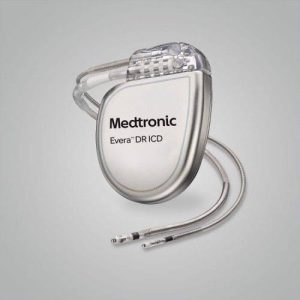
An AICD (Automated Implantable Cardioverter Defibrillator) is a small electronic device that is implanted under the skin in the chest to protect against severe and lifethreatening heart rate irregularities (arrhythmias). Its main function is to monitor the heart rate and whenever the heartbeat becomes too fast or irregular, it automatically acts to normalize the heartbeat by giving an electric shock.

The AICD is small in appearance roughly the size of a pacemaker and is implanted under the skin in the chest. The wires (leads) attached to this device reach the heart and continuously monitor the electrical activities of the heart. When the device detects a fatal irregular heartbeat, it immediately delivers a small electric shock that normalizes the heartbeat.

AICD_IMAGE

When is AICD required?

  • Patients who have had a sudden cardiac arrest
  • Those who have malignant ventricular arrhythmia in the heart
  • Patients with dilated cardiomyopathy or low ejection fraction
  • Recurrent condition of very fast or irregular heart rate
  • In patients with genetic heart conditions such as Long QT syndrome, Brugada syndrome, etc.
  • After heart surgery or heart attack, which has the potential for fatal arrhythmias in the future
  • Patients who are unable to control heart rate with medicines
  • Recurrent fainting sensations that cause irregular heartbeats

Benefits of AICD

  • Prevention of sudden heart failure.
  • Works automatically.
  • Increases life expectancy.
  • Reduction in the incidence of fainting and dizziness.
  • Less invasive procedure.
  • Remote Monitoring Facility.
  • No major impact on daily life.

Insights & Interesting Facts

Satisfy Patients
0 %
Patients Treated
0 +
Years Experience
0 +

AICD Procedure

  1. Step 1:
    Patient Preparation Before applying AICD, the patient is thoroughly examined. This includes ECG, echocardiography, and blood tests. The doctor informs the patient about the procedure and takes the consent letter. Fasting and preparation of medications are ensured before the procedure.


  2. Step 2:
    Anesthesia and Cleaning the Spot During the procedure, the patient is given local anesthesia. The upper part of the chest is thoroughly cleaned and sterilized. The purpose of this step is to prevent infection and make the process safer. The patient is connected to the monitoring machine.


  3. Step 3:
    Making the Incision and Pocketing The doctor makes a small incision on the upper part of the chest. A small pocket is then created under the skin to hold the AICD device. This pocket is essential for keeping the device secure and comfortable fitting.


  4. Step 4:
    Injecting the leads into the veins In this step, the doctor transmits special leads (wires) to the heart through veins. With fluoroscopy guidance, the leads are placed in the correct location. The leads are firmly fixed in the wall of the heart to receive accurate signals.


  5. Step 5:
    Connecting and testing the device After the leads are correctly placed, they are connected to the AICD device. The device is tested to ensure that it is able to monitor and shock the heartbeat correctly. All parameters are checked.


  6. Step 6:
    Closing the Incision and Recovery Finally, the device is pocketed and the incision is closed with surgical sutures. Dressings are done and the patient is placed in the recovery room. During recovery, the device is programmed and the patient is given instructions for postprocedure care.

Schedule Your Appointment Now

Early detection through echocardiography can prevent major heart problems. 

Why Choose Us

Trusted expertise, advanced technology, and compassionate care make us your best choice for exceptional healthcare.

Trusted Expertise

Trusted expertise delivering advanced, personalized treatments with care, precision, and proven results for your lasting wellness.

Patient-Centered

Focused on individual needs, our patient-centered treatments ensure personalized care, comfort, and optimal health outcomes.

Emergency Support

24/7 expert care for heart emergencies—quick, reliable, and life-saving support when you need it most.

Frequantly Asked Questions

Get clear answers to your heart health questions with our detailed coronary angiography FAQs section.

Is it safe to get an AICD?

Yes, it's a safe process. There is very little risk of complications. Sometimes infection, blood clots or device malfunctions can occur, but these are rare and treatable.

How long does an AICD last?

AICD devices usually last for 5 to 7 years. Replacement is done when the battery runs out. Its functionality is ensured by regular checks and follow-ups.

Is AICD shock painful?

Yes, the patient may feel a sharp shock and pain at the time of shock, but it is life-saving. It is given only to control dangerous heart rhythms.

How long does it take to stay in the hospital after an AICD?

Most cases require 1-2 days in the hospital. If there is any complication, the duration may increase. The doctor discharges after examining the device.

What precautions should be taken after applying AICD?

Do not lift heavy weights, do not make much hand movements and go for regular checkups. Stay away from magnetic fields and high voltage devices near the device.

How much does an AICD cost?

The price of AICD depends on the type of device and the hospital. Usually, it can range from 3 lakh to 8 lakh rupees. Medical insurance can reduce expenses.

Latest Blogs & Updates

Show off your recent blog posts in a standard format on the light and soft background with carousal option

Reasons for Heart Attack in Young Age: Dr. Munish Dev’s Guide

Reasons for Heart Attack in Young Age: Dr. Munish Dev’s Guide

Reasons for Heart Attack in Young Age: Dr. Munish Dev’s Guide In today’s fast-paced life,…

Heart Blockage Symptoms: Early Signs, Risks, and Treatment Options

Heart Blockage Symptoms: Early Signs, Risks, and Treatment Options

Introduction – What is Heart Blockage? Heart disease has become a major concern in today’s…

Heart attack symptoms

Heart attack symptoms

Heart Attack Symptoms Understanding Heart Attack Symptoms: Early Signs You Shouldn’t Ignore Heart disease remains…